
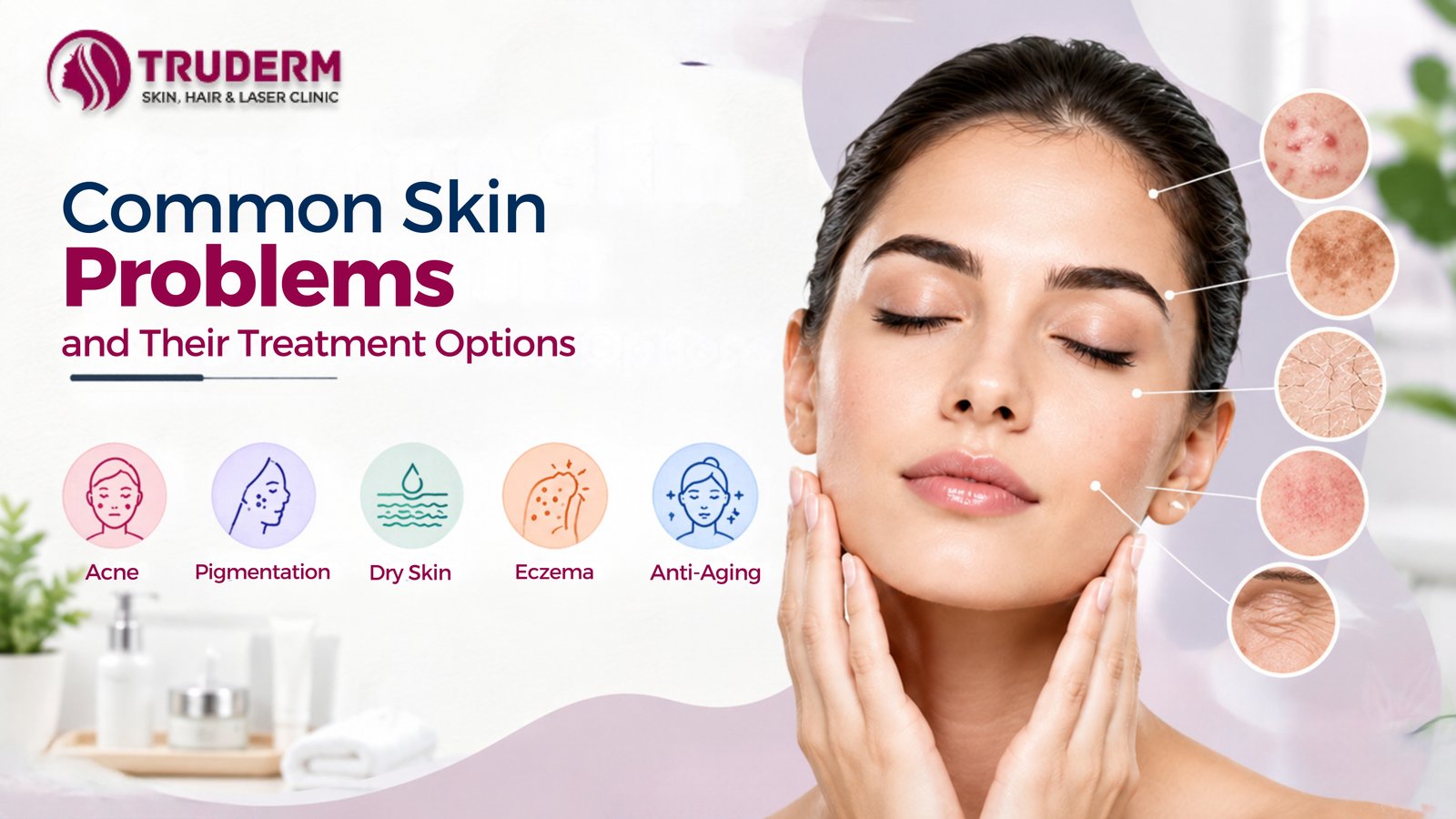
Skin problems aren't just about how things look. Acne, pigmentation, rashes, dryness, infections, these things can genuinely hurt your comfort and your confidence, day after day. What actually works as Skin Treatment in Indore comes down to the real cause, how bad it's gotten, your skin type, and your general health. A dermatologist can sort through all that. Trial and error usually can't.
Why Is Your Skin Suddenly Changing?
Truth is, most skin issues aren't caused by just one thing. Hormones, genetics, allergies, infections, too much sun, stress, the weather, whatever's in your skincare drawer, some underlying medical condition, any combination of these can throw your skin off balance.
Something that worked wonders for your friend might do nothing for you. And two conditions can look nearly identical while needing completely different treatment. Take those acne-like bumps, sometimes that's not acne at all, it's folliculitis.
Acne: When Pimples Keep Coming Back
Acne is usually manageable once treatment actually matches what kind of breakout you're dealing with and how bad it is. Blackheads, whiteheads, regular pimples, deeper painful lesions, they don't all respond the same way.
What treatment might look like:
Prescription or non-prescription topical medicines
Acne-control ingredients a dermatologist recommends
Oral medicines for moderate-to-severe cases
Certain procedures, in select cases
Scar treatment, once the active breakouts calm down
It's never just about clearing what's there right now. Cutting down future breakouts and avoiding long-term scarring matters just as much. And patience is part of the deal, dermatologists often need several weeks before they can tell if something's actually working.
Pigmentation and Uneven Skin Tone
Figuring out pigmentation starts with one question: why did the skin darken or go uneven in the first place? Sun exposure, leftover acne marks, hormonal shifts, inflammation, certain skin conditions, all of these can be behind it.
Depending on the cause, you might end up with prescription creams, chemical peels, laser treatments, or something else entirely, under a dermatologist's supervision. Daily sun protection isn't optional here either; skip it and progress tends to reverse itself.
One thing to avoid: stacking strong bleaching creams or multiple active ingredients on your own, especially if your skin already reacts easily.
Eczema and Dry, Itchy Skin
Eczema treatment has three jobs, calm the irritation, control the symptoms, keep the skin barrier intact. Dryness, itching, redness, scaling, sometimes skin that's cracked and sore. That's the usual picture.
A dermatologist might suggest:
Gentle skincare, moisturising regularly
Prescription creams or ointments
Managing whatever's triggering flare-ups
Medicines for symptoms that won't quit
Phototherapy, in some cases
No two people's eczema looks quite the same, so treatment tends to get personalised fast. Staying consistent, moisturiser, routine, the whole thing, is what actually keeps flare-ups down.
Psoriasis: More Than Just Dry Skin
Psoriasis is chronic. Long-term management, not a quick fix, is the reality here. Thick, scaly patches show up most often on elbows, knees, scalp, lower back.
Treatment shifts depending on type and severity, topical medicines, phototherapy, or medicines that work through the whole body. Dermatologists adjust as they watch how you respond.
Fungal Infections and Repeated Rashes
Fungal infections need the right antifungal approach, plus decent hygiene habits alongside it. Itching, redness, scaling, those classic ring-shaped patches, they can turn up almost anywhere on the body.
If a rash won't quit despite treatment, get the diagnosis rechecked. Not every itchy rash is fungal, that's worth remembering.
When Should You See a Dermatologist?
Persistent. Painful. Spreading. Keeps coming back. Any of those is reason enough for a proper evaluation.
Worth booking a consultation if:
Acne is painful or leaving scars behind
A rash keeps spreading
Itching is wrecking your sleep
Pigmentation just keeps getting darker
Symptoms return after a brief improvement
Over-the-counter stuff isn't doing anything
You genuinely can't tell if it's acne, allergy, infection, or something else
At Truderm, treatment gets built around the patient's actual concern — their medical condition, skin type, individual needs. The clinic handles personalised dermatology and aesthetic care, covering acne, pigmentation, acne scars, and other skin conditions.
A Simple Approach to Healthier Skin
If a skin problem is chipping away at your comfort, your confidence, your day-to-day, professional guidance can help you actually understand what's driving it and land on something that works. Truderm offers Skin Treatment in Indore, built around whatever your skin actually needs. Call 9179260689 and book today.